Level 2 · 2.6
Naturalist's Safari
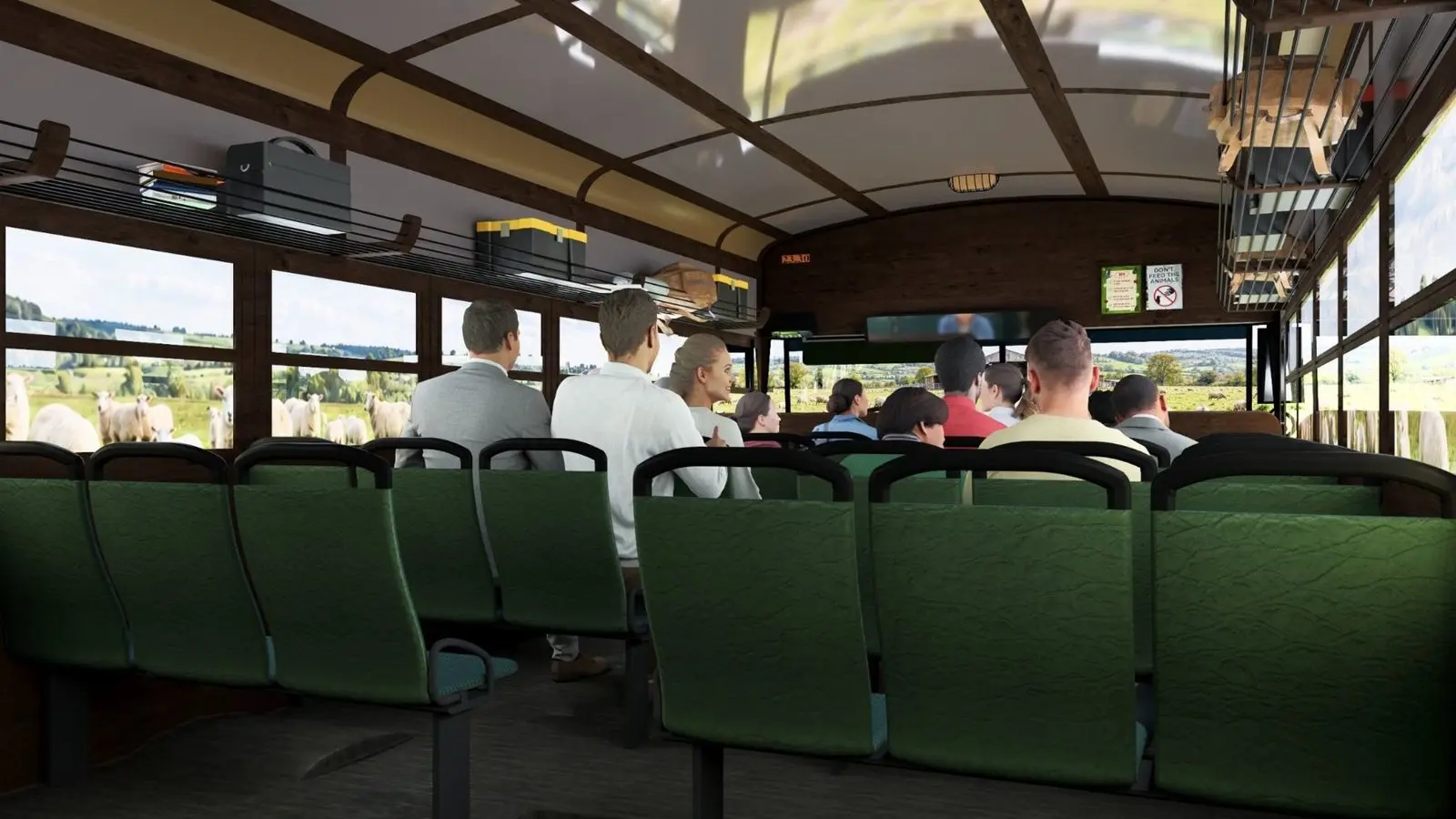
Board a vintage safari bus and watch living species adapt before your eyes.
Step inside
What you will experience
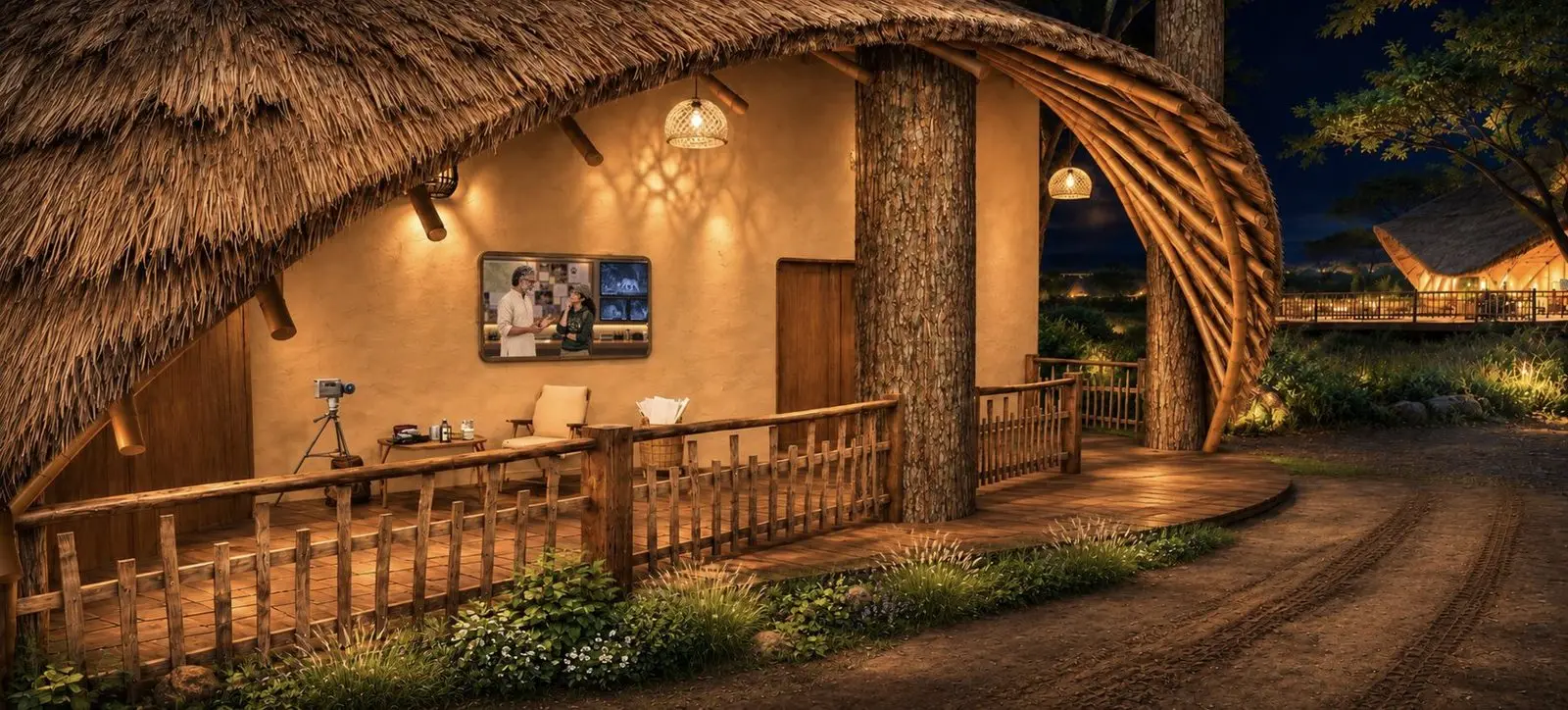
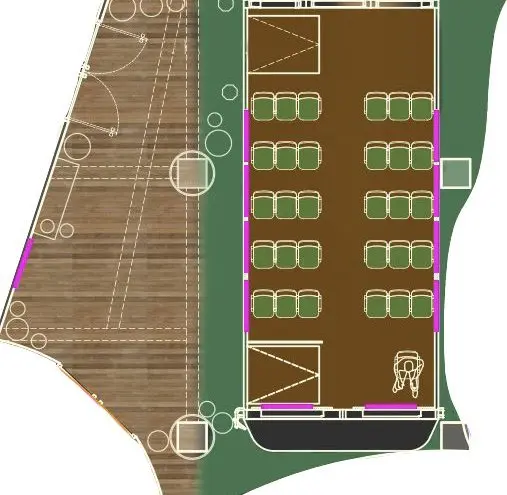
Riya's safari takes you into the two sides of a naturalist's work. On one side are recreated laboratory sets, each prepared for an example in the story; on the other, foliage recreates the field where naturalists spend most of their time. In a safari bus, screens become windows onto the landscapes and the laboratory, and the narrators guide you from one set to the next.
Here you explore the difference between small changes within a species and the origin of entirely new kinds of life. You see how people have shaped the many breeds of dog through selective breeding, and how sticklebacks and peppered moths have adapted to their environments in the wild.
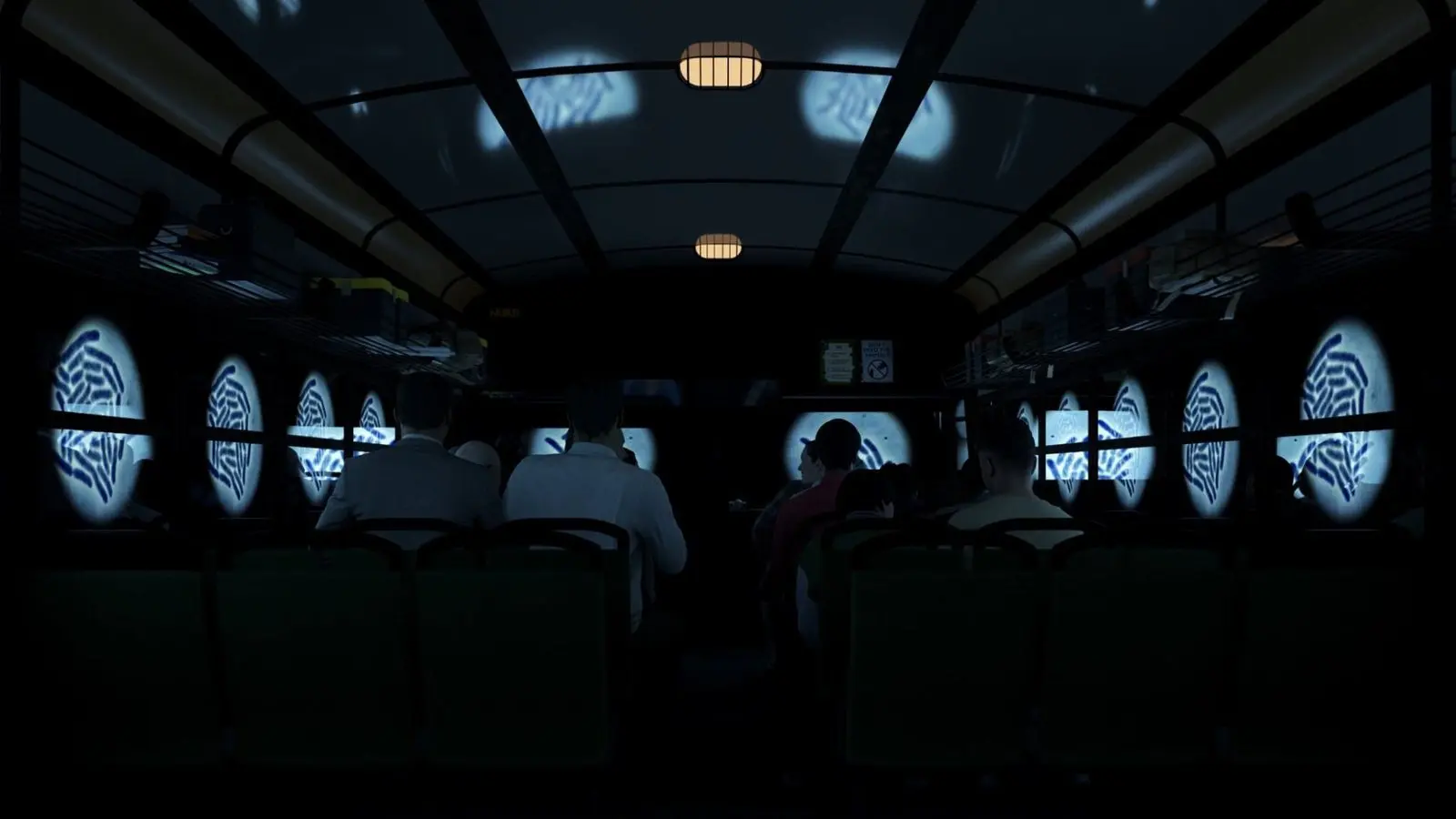
In the final laboratory you peer at bacteria evolving under the microscope, part of the world's longest-running evolution experiment. Change within species is real and observable, and you see it clearly. You also see that it is a different claim from the appearance of new kinds, and you leave ready to think about the difference.
Scene by scene
- 1All Aboard the Safari Bus
You take your seat in Riya's safari bus, where screens become windows onto fields, wildlife and the laboratory. From here the narrators guide you from one set to the next.
- 2Macro Versus Micro
In the first laboratory you explore the difference between microevolution, small changes within a species, and macroevolution, the origin of entirely new kinds of life. You see why these are two quite different claims, even though they share one name.
- 3Selective Breeding
You discover how people have shaped the many breeds of dog through selective breeding. Generations of careful choices have produced remarkable variety, yet every breed remains a dog, a clear example of change within a kind.
- 4Change in the Wild
You see how sticklebacks and peppered moths have adapted to pressures in their environments. These well-known cases show species changing in the wild, in response to the world around them, in ways that scientists can observe and measure.
- 5Evolution in the Lab
In the final laboratory you peer at bacteria evolving under the microscope, part of the Long-Term Evolution Experiment, the world's longest-running. Change within species is real and observable, and you leave ready to weigh it against the origin of new kinds.
In pictures
The big idea
Adaptation within species, in response to environmental pressure, is real and observable, but it is a different claim from the origin of new kinds of life.
Questions it asks
- Is change within a species the same as the origin of a new kind?
- What can we actually observe evolving today?
You will come away understanding
- The difference between microevolution and macroevolution.
- Selective breeding and natural adaptation produce real, observable change within species.
- The Long-Term Evolution Experiment shows bacteria adapting over many generations.
Bring it to life
Make this exhibit possible
Your gift builds the safari bus and the naturalist's laboratories, giving every visitor a hands-on look at how life adapts and changes.
Part of Phase 2: the next galleries after the 2028 openingDesign Habit estimate for the gallery, including GST
Sponsor this exhibitLevel 2 · What Is Life?The whole level: galleries and visitor spaces
Sponsor the levelAny amountEvery gift is recorded for this exhibit and for SMOVP
Donate to this exhibitEstimates from Design Habit (April 2026), shown in US dollars at ₹95 per US$1. Final costs are confirmed with each sponsor.